|
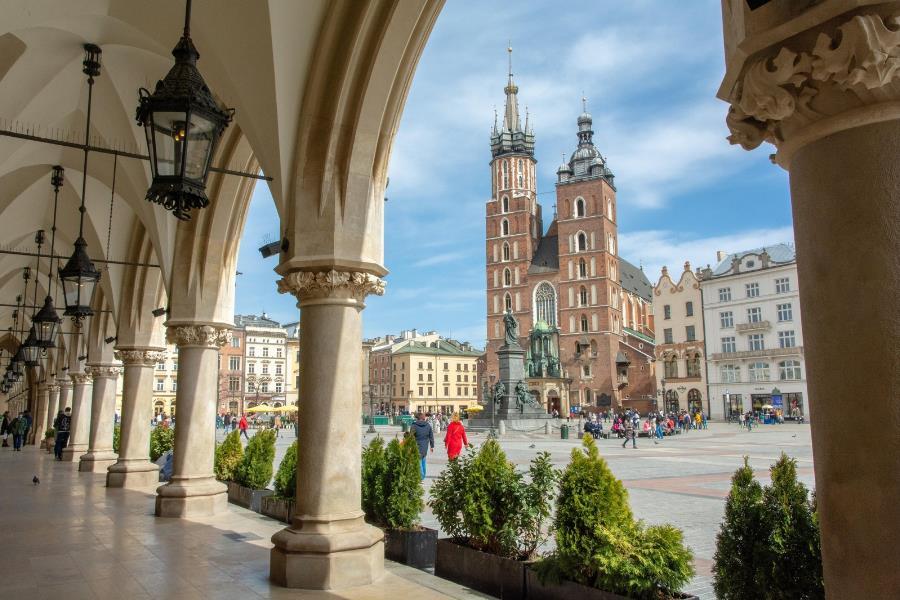
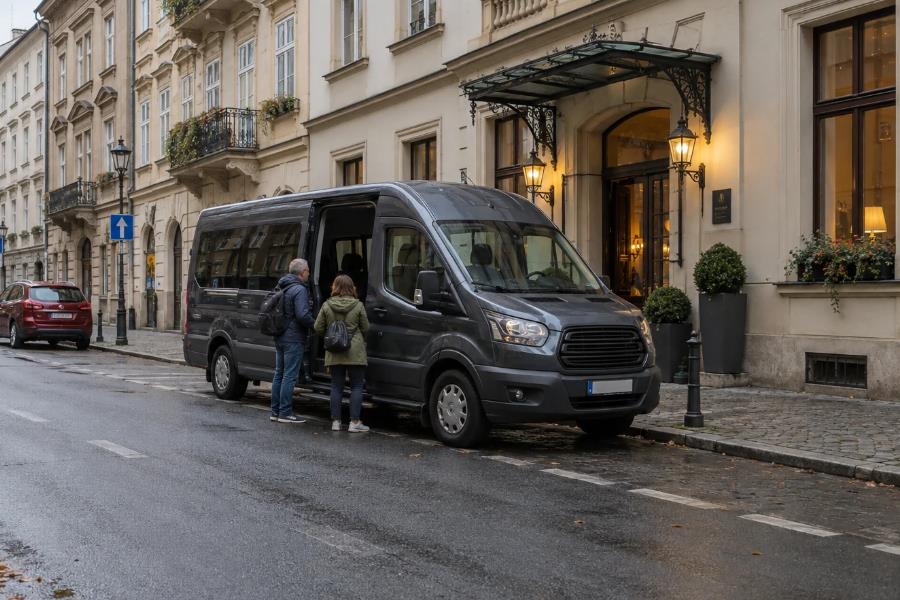
Three days is the most common length of a Krakow city break, and for most visitors one of those days is set aside for Auschwitz. The question is which day, and how to arrange the other two so that the visit does not overshadow the whole trip or, the opposite, get squeezed into an afternoon it does not fit into. A little planning solves both problems. Which day to choose for the visitThe middle day is almost always the right answer. Day one usually starts late because of the flight, and day three ends early for the same reason, while a full visit to Auschwitz-Birkenau takes around 7 to 7.5 hours from pickup to return, including roughly an hour and a half of driving each way. Putting it on day two also gives travellers an evening in the Old Town beforehand to settle in, and a lighter day afterwards. Most people book auschwitz tours from Krakow rather than travelling independently, because the operator provides the official museum tickets, which are limited and in high season sell out weeks ahead, and collects guests from their hotel, apartment or hostel in the morning, so the day begins at the door rather than at the bus station. Guests staying outside the pickup area can join the group at a central meeting point in the Old Town instead. Day one: arrival and the Old TownKrakow’s airport is a 20-minute train ride from the main station, and most hotels are within walking distance of the Market Square. The first afternoon is best spent on foot: the Cloth Hall, St Mary’s Basilica with its hourly trumpet call, the Planty park ring around the medieval walls and, if there is time, Wawel Hill before it closes. Dinner in the Old Town or in Kazimierz, the former Jewish district, rounds the day off. Travellers arriving late can skip the sightseeing entirely and still lose nothing, as the city centre is compact enough to cover on the last day.
Day two: Auschwitz-BirkenauA few things make the day easier. Breakfast before pickup, because there is no lunch stop on the tour, only short breaks, and eating is not allowed inside the museum. A small bag only, as backpacks and bags larger than 35 x 25 x 15 cm are not permitted inside. Comfortable shoes, since the two sites together mean several kilometres of walking. Layers in any season, because Birkenau is open and windswept. The guided part lasts about 3.5 hours: around two hours in Auschwitz I, a ten-minute transfer, then about an hour and a half in Birkenau, with a licensed museum educator leading the group and headsets provided so that nobody has to stand within earshot to follow. Photography without flash is allowed, except in block 4 and the basement of block 11. Most visitors want a quiet evening afterwards, and Kazimierz, with its small restaurants and bars, suits that mood better than the busier Market Square. Booking and timing: what to sort out before leaving homeThe one thing that cannot be left to the last minute is the Auschwitz booking. Entry passes are limited, so guided trips are worth reserving several weeks ahead, and in July, August and around public holidays even earlier. Tours run daily all year round, subject to museum availability and weather, in a shared group format or as a private tour with its own vehicle and driver, and group prices start from 369 PLN per person with transport, tickets and guide included. Regular tours are in English; other languages may be available on request. Children under 14 are not recommended to visit, and the decision is left to parents based on the child’s maturity. Visitors flying in from the UK have direct flights from London, Manchester, Birmingham, Edinburgh, Bristol and Leeds Bradford, about two and a quarter hours in the air, and the same operator arranges airport transfers from Krakow Balice, sedans for up to four people and vans for larger groups, which is the simplest way to start the trip without a taxi queue. Day three: Kazimierz, Schindler’s Factory or the Salt MineThe last day depends on the flight time and on how much the previous day has left in reserve. Kazimierz in daylight is a different place from Kazimierz at night: synagogues, the Remuh cemetery and the Galicia Jewish Museum fit naturally after Auschwitz and take two to three hours. Across the river, Schindler’s Factory museum tells the story of the city under occupation and is often paired with the former ghetto area in Podgórze. Travellers with an afternoon flight and some energy left can instead take the half-day trip to the Wieliczka Salt Mine, 14 km from the centre, though combining it with Auschwitz on the same day is only realistic with private transport and a very early start. Whichever option wins, leaving two hours for the airport is enough, as security at Krakow Balice rarely takes long.
|